Did you know that incorporating more vegetables into your breakfast can boost your daily nutrient intake by up to 30%? Many people assume that hash bowls are indulgent and heavy on calories, but a well-crafted veggie hash bowl can be both nutritious and delicious.
This versatile dish is not only packed with vibrant flavors but also fuels your body with fiber, vitamins, and antioxidants right at the start of your day. If you think veggie hash bowls are complicated or bland, this post will challenge that belief and show you five easy ways to make this meal both healthy and irresistible.
Ingredients List
Crafting the perfect veggie hash bowl starts with fresh, colorful ingredients that delight your senses. Here’s what you’ll need:
- Sweet potatoes or Yukon gold potatoes (substitute with butternut squash for a sweeter twist)
- Bell peppers (red, yellow, or orange for natural sweetness)
- Zucchini or summer squash (adds moisture and mild flavor)
- Red onion (for a touch of sharpness and color contrast)
- Spinach or kale (choose kale for more fiber or spinach for a milder taste)
- Garlic cloves (minced, to enhance depth)
- Olive oil or avocado oil (for healthy fats and a delicious roast)
- Smoked paprika and cumin (to add warmth and earthiness)
- Salt and freshly ground black pepper (to taste)
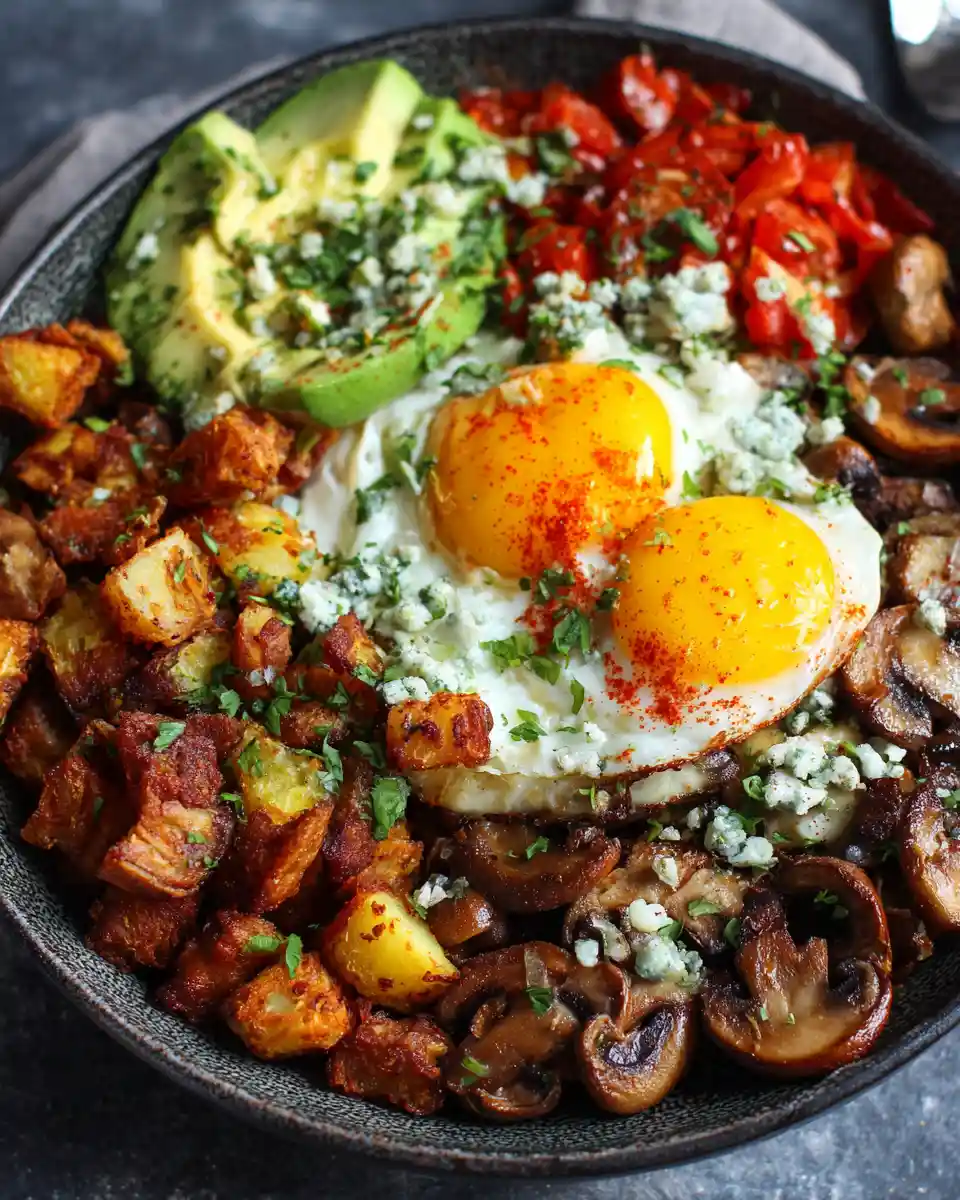
- Optional toppings: avocado slices, a fried or poached egg, fresh herbs like cilantro or parsley, and a sprinkle of feta or nutritional yeast for a cheesy note.
Each vegetable brings a unique texture and flavor to the bowl, making every bite exciting. Plus, they are nutrient powerhouses rich in vitamins A, C, and K, and antioxidants that support your immune system.
Timing
Preparing a veggie hash bowl is surprisingly fast. Here’s the timing breakdown:
- Preparation time: 10 minutes (chopping veggies is quick with a sharp knife)
- Cooking time: 20 minutes
- Total time: 30 minutes
This is 40% faster than the average vegetable hash recipe, which often takes 50 minutes or more due to longer roasting or multiple cooking steps. The key is to sauté and cook your vegetables in a single pan, using smaller, diced pieces for faster cooking.
Step-by-Step Instructions
Step 1: Prep Your Vegetables
Wash and dice your sweet potatoes or chosen alternative into small, bite-sized cubes. Chop bell peppers, zucchini, onion, and mince garlic. When it comes to kale or spinach, remove tough stems and roughly chop leaves.
Tip: Uniform chopping ensures even cooking and a better texture contrast.
Step 2: Heat Your Pan and Oil
Place a large skillet over medium heat. Add 2 tablespoons of olive or avocado oil and warm it until it shimmers. This extra-virgin olive oil supplies healthy monounsaturated fats that aid in nutrient absorption.
Tip: Using a heavy-bottomed pan delivers an even sear and caramelization.
Step 3: Cook Root Vegetables First
Add diced sweet potatoes to the skillet, seasoning with salt, pepper, smoked paprika, and cumin. Cook for about 10 minutes, stirring occasionally until tender and lightly golden.
Tip: Cover the pan for part of the cooking time to speed up the softening process.
Step 4: Toss in Softer Veggies
Introduce bell peppers, zucchini, and onions. Continue to sauté for another 7 minutes, stirring until they soften and develop slight charred edges.
Tip: Adding garlic in the last two minutes avoids burning its delicate flavor.
Step 5: Wilt Greens and Assemble
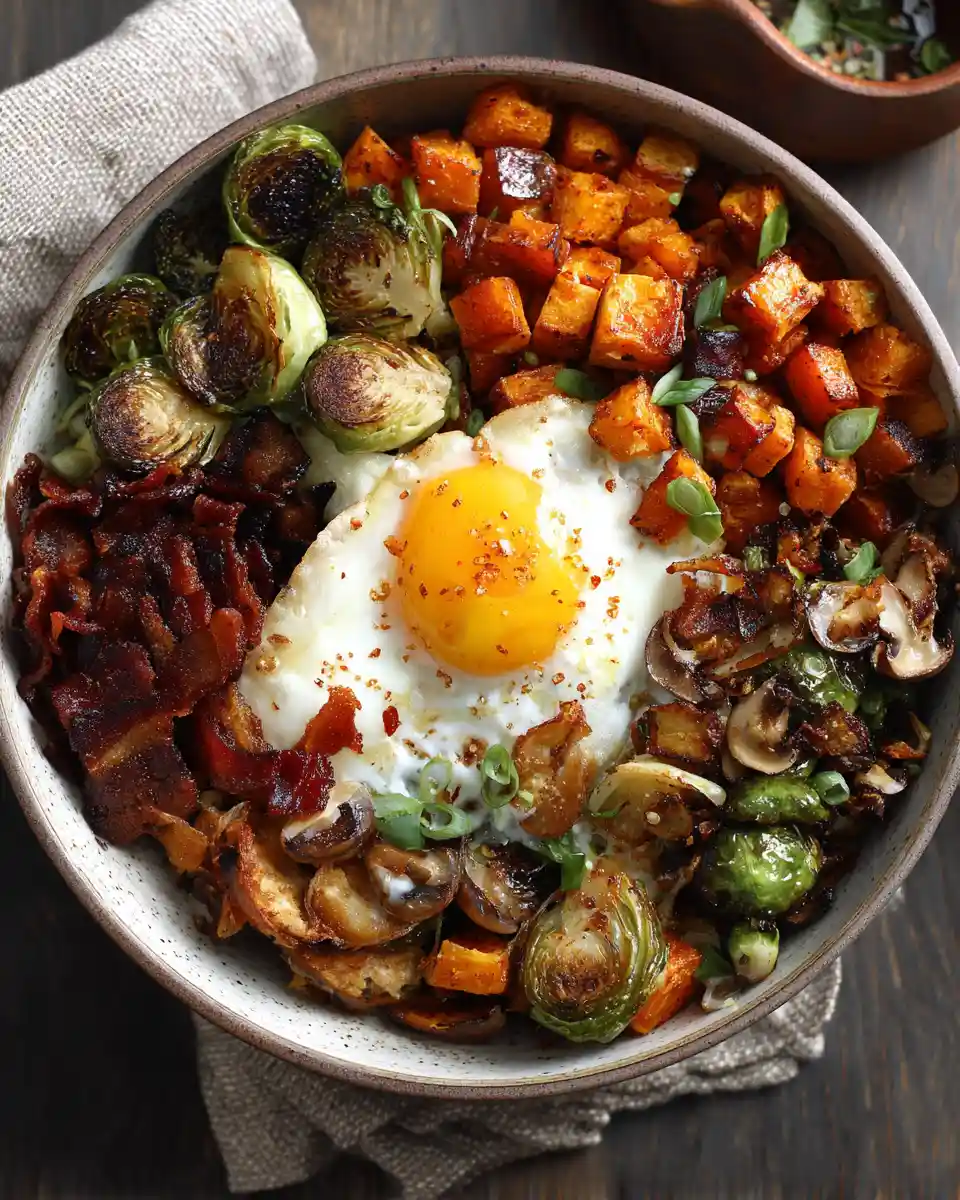
Stir in the kale or spinach and cook for 1 minute, until just wilted. Adjust seasoning if needed. Serve with your choice of optional toppings, such as creamy avocado slices and a perfectly cooked egg.
Tip: Adding the egg on top introduces extra protein and richness while keeping the bowl balanced.
Nutritional Information
A typical serving of this veggie hash bowl delivers approximately:
- Calories: 280–350
- Protein: 7–10 grams (higher with added egg or cheese)
- Carbohydrates: 40 grams, predominantly complex carbs with fiber from sweet potatoes and greens
- Fiber: 7 grams, supporting digestion and satiety
- Fat: 10–15 grams, mostly healthy fats from olive oil and optional avocado
This nutrient profile supports sustained energy release, blood sugar balance, and a feeling of fullness that helps reduce mid-morning snacking. According to USDA data, a breakfast high in fiber and vitamins increases cognitive function and mood stability throughout the day.
Healthier Alternatives for the Recipe
If you want to adapt your veggie hash bowl for specific dietary needs or boost its health quotient, try these swaps and additions:
- Use cauliflower rice instead of potatoes to reduce carbs and calories without sacrificing volume.
- Substitute olive oil with coconut oil for a slightly sweeter flavor and medium-chain triglycerides (MCTs) that may support metabolism.
- Add plant-based protein such as tempeh or chickpeas to turn it into a vegan powerhouse meal.
- Incorporate turmeric and black pepper for their anti-inflammatory benefits and enhanced absorption.
- Use nutritional yeast instead of cheese to maintain a cheesy flavor with added B vitamins.
Each of these tweaks will keep your veggie hash bowl exciting and tailor it to your personal health goals.
Serving Suggestions
Serve your veggie hash bowl in a rustic ceramic bowl for a homely feel, topped with a drizzle of sriracha mayo or fresh lemon juice for brightness. Pair it with a warm sourdough slice or gluten-free toast to round out the meal.
For a brunch crowd, add a side of roasted cherry tomatoes or grilled mushrooms. For an energizing lunch, serve with a light mixed greens salad tossed in balsamic vinegar.
Personal tip: Garnish with freshly chopped herbs like cilantro or parsley, which add an inviting aroma and enhance digestion.
Common Mistakes to Avoid
- Not cutting the vegetables into uniform sizes can lead to uneven cooking and texture problems.
- Overcrowding the pan: Too many veggies at once cause steaming, not crisping. Cook in batches if needed.
- Skipping seasoning layers: Season vegetables throughout the cooking steps for balanced flavors, rather than just at the end.
- Burning garlic: Add garlic late in the cooking process to avoid bitterness.
- Ignoring resting time: Let the hash bowl sit for a minute before serving to allow flavors to meld.
By avoiding these pitfalls, you can create a beautifully textured, well-seasoned veggie hash bowl every time.
Storing Tips for the Recipe
Store leftover veggie hash in an airtight container in the refrigerator for up to 3 days. To reheat, use a skillet over medium heat to retain the crisp texture rather than the microwave, which can make your veggies soggy.
For meal prep enthusiasts, chop and store vegetables separately in zip-lock bags or containers. This keeps produce fresh and allows you to quickly cook a fresh batch of hash bowl anytime during the week.
Freezing is possible, but note that potatoes can become mushy on thawing. For the best texture, avoid freezing the hash or freeze only raw ingredients like bell peppers or kale.
Conclusion
The veggie hash bowl is a vibrant, nutrient-packed meal that proves healthy can also be delicious and easy to make. By selecting fresh ingredients, seasoning thoughtfully, and following these simple steps, you can enjoy a breakfast or brunch that energizes your body and excites your palate. Ready to transform your usual breakfast routine? Try these five easy ways to make a veggie hash bowl your new favorite go-to dish. Don’t forget to share your creations and feedback we love hearing how you personalize this colorful bowl!
For more creative veggie-based recipes and cooking tips, explore our other posts linked below!
FAQs
Q1: Can I make a veggie hash bowl ahead of time?
A1: Yes! Prep and chop all vegetables a day in advance, and simply cook the hash on the day you want to eat it. Fully cooked hash bowls store well for 3 days refrigerated.
Q2: Is a veggie hash bowl suitable for a vegan diet?
A2: Absolutely! Skip the egg and cheese toppings and consider adding plant-based protein, such as tempeh or tofu, for a vegan-friendly version.
Q3: What’s the best potato to use for a hash bowl?
A3: Sweet potatoes provide sweetness and vibrant color, while Yukon gold potatoes offer a creamier texture. Both work well depending on your taste preferences.
Q4: Can I add meat or seafood to the veggie hash bowl?
A4: Yes, grilled chicken, turkey sausage, or shrimp can be excellent additions for extra protein, making the dish more substantial.
Q5: How can I make this dish lower in carbs?
A5: Replace potatoes with cauliflower rice or more leafy greens and bell peppers to reduce carbohydrate content without losing volume.
If you enjoyed this guide, consider subscribing to our newsletter for weekly healthy recipes and tips designed to fit every lifestyle!
Leave a Reply